






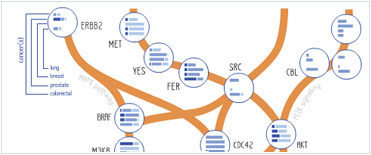







 Foundational characteristics of cancer include proliferation, angiogenesis, migration, evasion of apoptosis, and cellular immortality. Find key markers for these cellular processes and antibodies to detect them.
 The SUMOplot™ Analysis Program predicts and scores sumoylation sites in your protein. SUMOylation is a post-translational modification involved in various cellular processes, such as nuclear-cytosolic transport, transcriptional regulation, apoptosis, protein stability, response to stress, and progression through the cell cycle.
 The Autophagy Receptor Motif Plotter predicts and scores autophagy receptor binding sites in your protein. Identifying proteins connected to this pathway is critical to understanding the role of autophagy in physiological as well as pathological processes such as development, differentiation, neurodegenerative diseases, stress, infection, and cancer.
Goat Anti-PINK1 Antibody
Peptide-affinity purified goat antibody
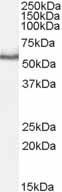
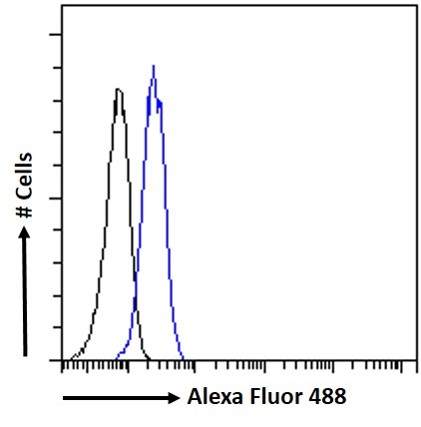
- SPECIFICATION
- CITATIONS
- PROTOCOLS
- BACKGROUND

Application 
| WB, E |
|---|---|
| Primary Accession | Q9BXM7 |
| Other Accession | NP_115785, 65018, 68943 (mouse), 298575 (rat) |
| Reactivity | Rat |
| Predicted | Human, Mouse |
| Host | Goat |
| Clonality | Polyclonal |
| Concentration | 100ug/200ul |
| Isotype | IgG |
| Calculated MW | 62769 Da |
| Gene ID | 65018 |
|---|---|
| Other Names | Serine/threonine-protein kinase PINK1, mitochondrial, 2.7.11.1, BRPK, PTEN-induced putative kinase protein 1, PINK1 |
| Format | 0.5 mg IgG/ml in Tris saline (20mM Tris pH7.3, 150mM NaCl), 0.02% sodium azide, with 0.5% bovine serum albumin |
| Storage | Maintain refrigerated at 2-8°C for up to 6 months. For long term storage store at -20°C in small aliquots to prevent freeze-thaw cycles. |
| Precautions | Goat Anti-PINK1 Antibody is for research use only and not for use in diagnostic or therapeutic procedures. |
| Name | PINK1 |
|---|---|
| Function | Serine/threonine-protein kinase which protects against mitochondrial dysfunction during cellular stress by phosphorylating mitochondrial proteins such as PRKN and DNM1L, to coordinate mitochondrial quality control mechanisms that remove and replace dysfunctional mitochondrial components (PubMed:14607334, PubMed:18957282, PubMed:18443288, PubMed:15087508, PubMed:19229105, PubMed:19966284, PubMed:20404107, PubMed:22396657, PubMed:20798600, PubMed:23620051, PubMed:23754282, PubMed:23933751, PubMed:24660806, PubMed:24898855, PubMed:24751536, PubMed:24784582, PubMed:24896179, PubMed:25527291, PubMed:32484300, PubMed:20547144). Depending on the severity of mitochondrial damage and/or dysfunction, activity ranges from preventing apoptosis and stimulating mitochondrial biogenesis to regulating mitochondrial dynamics and eliminating severely damaged mitochondria via mitophagy (PubMed:18443288, PubMed:23620051, PubMed:24898855, PubMed:20798600, PubMed:20404107, PubMed:19966284, PubMed:32484300, PubMed:22396657, PubMed:32047033, PubMed:15087508). Mediates the translocation and activation of PRKN at the outer membrane (OMM) of dysfunctional/depolarized mitochondria (PubMed:19966284, PubMed:20404107, PubMed:20798600, PubMed:23754282, PubMed:24660806, PubMed:24751536, PubMed:24784582, PubMed:25474007, PubMed:25527291). At the OMM of damaged mitochondria, phosphorylates pre-existing polyubiquitin chains at 'Ser-65', the PINK1-phosphorylated polyubiquitin then recruits PRKN from the cytosol to the OMM where PRKN is fully activated by phosphorylation at 'Ser-65' by PINK1 (PubMed:19966284, PubMed:20404107, PubMed:20798600, PubMed:23754282, PubMed:24660806, PubMed:24751536, PubMed:24784582, PubMed:25474007, PubMed:25527291). In damaged mitochondria, mediates the decision between mitophagy or preventing apoptosis by promoting PRKN-dependent poly- or monoubiquitination of VDAC1; polyubiquitination of VDAC1 by PRKN promotes mitophagy, while monoubiquitination of VDAC1 by PRKN decreases mitochondrial calcium influx which ultimately inhibits apoptosis (PubMed:32047033). When cellular stress results in irreversible mitochondrial damage, functions with PRKN to promote clearance of damaged mitochondria via selective autophagy (mitophagy) (PubMed:14607334, PubMed:20798600, PubMed:20404107, PubMed:19966284, PubMed:23933751, PubMed:15087508). The PINK1-PRKN pathway also promotes fission of damaged mitochondria by phosphorylating and thus promoting the PRKN-dependent degradation of mitochondrial proteins involved in fission such as MFN2 (PubMed:18443288, PubMed:23620051, PubMed:24898855). This prevents the refusion of unhealthy mitochondria with the mitochondrial network or initiates mitochondrial fragmentation facilitating their later engulfment by autophagosomes (PubMed:18443288, PubMed:23620051). Also promotes mitochondrial fission independently of PRKN and ATG7-mediated mitophagy, via the phosphorylation and activation of DNM1L (PubMed:18443288, PubMed:32484300). Regulates motility of damaged mitochondria by promoting the ubiquitination and subsequent degradation of MIRO1 and MIRO2; in motor neurons, this likely inhibits mitochondrial intracellular anterograde transport along the axons which probably increases the chance of the mitochondria undergoing mitophagy in the soma (PubMed:22396657). Required for ubiquinone reduction by mitochondrial complex I by mediating phosphorylation of complex I subunit NDUFA10 (By similarity). Phosphorylates LETM1, positively regulating its mitochondrial calcium transport activity (PubMed:29123128). |
| Cellular Location | Mitochondrion outer membrane; Single-pass membrane protein. Mitochondrion inner membrane {ECO:0000250|UniProtKB:Q99MQ3}; Single-pass membrane protein. Cytoplasm, cytosol. Note=Localizes mostly in mitochondrion and the two smaller proteolytic processed fragments localize mainly in cytosol (PubMed:19229105). When mitochondria lose mitochondrial membrane potential following damage, PINK1 import is arrested, which induces its accumulation in the outer mitochondrial membrane, where it acquires kinase activity (PubMed:18957282) |
| Tissue Location | Highly expressed in heart, skeletal muscle and testis, and at lower levels in brain, placenta, liver, kidney, pancreas, prostate, ovary and small intestine. Present in the embryonic testis from an early stage of development |

Thousands of laboratories across the world have published research that depended on the performance of antibodies from Abcepta to advance their research. Check out links to articles that cite our products in major peer-reviewed journals, organized by research category.
info@abcepta.com, and receive a free "I Love Antibodies" mug.

Provided below are standard protocols that you may find useful for product applications.
Background
This gene encodes a serine/threonine protein kinase that localizes to mitochondria. It is thought to protect cells from stress-induced mitochondrial dysfunction. Mutations in this gene cause one form of autosomal recessive early-onset Parkinson disease.
References
Oxidative stress alters the regulatory control of p66Shc and Akt in PINK1 deficient cells. Maj MC, et al. Biochem Biophys Res Commun, 2010 Aug 27. PMID 20637729.
Assessing the prevalence of PINK1 genetic variants in South African patients diagnosed with early- and late-onset Parkinson's disease. Keyser RJ, et al. Biochem Biophys Res Commun, 2010 Jul 16. PMID 20558144.
Progression of subtle motor signs in PINK1 mutation carriers with mild dopaminergic deficit. Eggers C, et al. Neurology, 2010 Jun 1. PMID 20513816.
Structural imaging in the presymptomatic stage of genetically determined parkinsonism. Reetz K, et al. Neurobiol Dis, 2010 Sep. PMID 20483373.
Clinical and demographic characteristics of PINK1 mutation carriers--a meta-analysis. Kasten M, et al. Mov Disord, 2010 May 15. PMID 20461815.

If you have used an Abcepta product and would like to share how it has performed, please click on the "Submit Review" button and provide the requested information. Our staff will examine and post your review and contact you if needed.
If you have any additional inquiries please email technical services at tech@abcepta.com.

Ordering Information
Other Products
Shipping Information
