














 Foundational characteristics of cancer include proliferation, angiogenesis, migration, evasion of apoptosis, and cellular immortality. Find key markers for these cellular processes and antibodies to detect them.
 The SUMOplot™ Analysis Program predicts and scores sumoylation sites in your protein. SUMOylation is a post-translational modification involved in various cellular processes, such as nuclear-cytosolic transport, transcriptional regulation, apoptosis, protein stability, response to stress, and progression through the cell cycle.
 The Autophagy Receptor Motif Plotter predicts and scores autophagy receptor binding sites in your protein. Identifying proteins connected to this pathway is critical to understanding the role of autophagy in physiological as well as pathological processes such as development, differentiation, neurodegenerative diseases, stress, infection, and cancer.
ACSL4 (FACL4) Antibody (Center)
Purified Rabbit Polyclonal Antibody (Pab)
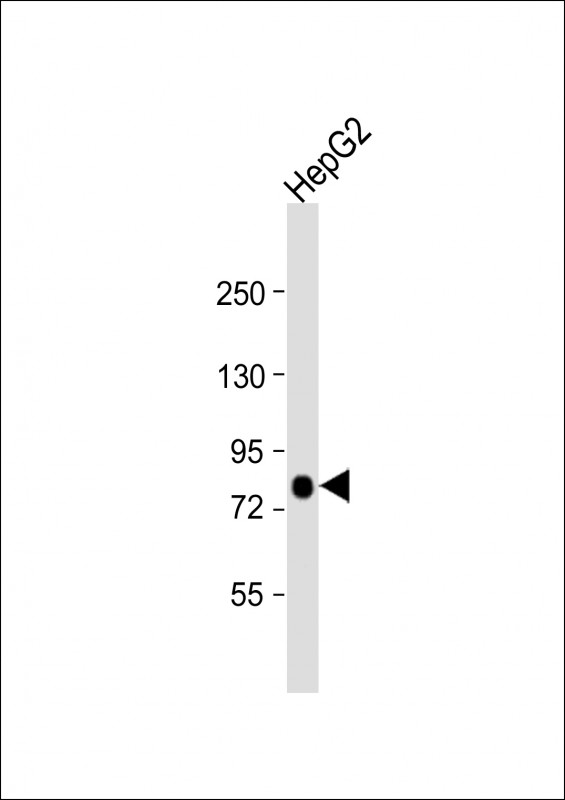
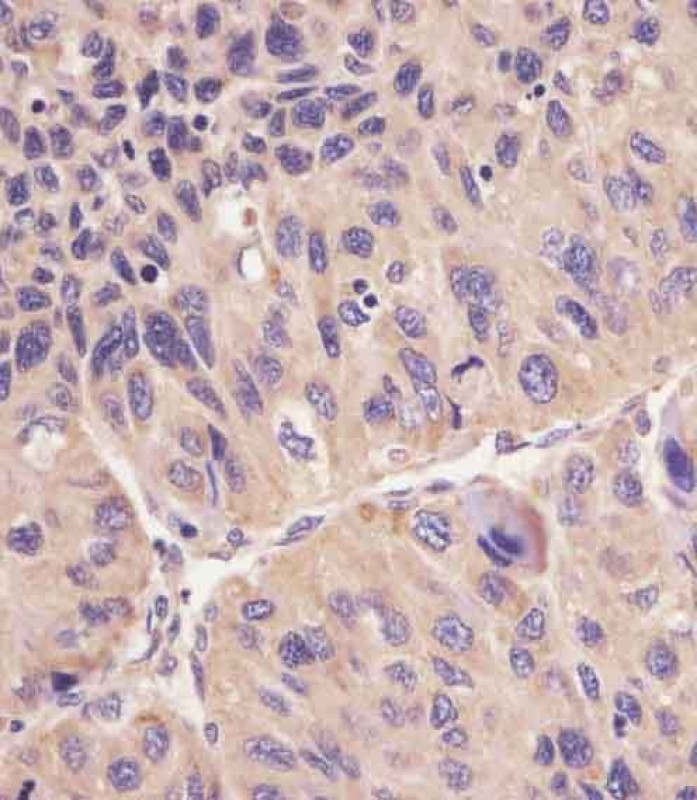
- SPECIFICATION
- CITATIONS: 12
- PROTOCOLS
- BACKGROUND

Application 
| IHC-P, WB, E |
|---|---|
| Primary Accession | O60488 |
| Reactivity | Human |
| Host | Rabbit |
| Clonality | Polyclonal |
| Isotype | Rabbit IgG |
| Calculated MW | 79188 Da |
| Antigen Region | 236-267 aa |
| Gene ID | 2182 |
|---|---|
| Other Names | Long-chain-fatty-acid--CoA ligase 4, Long-chain acyl-CoA synthetase 4, LACS 4, ACSL4, ACS4, FACL4, LACS4 |
| Target/Specificity | This ACSL4 (FACL4) antibody is generated from rabbits immunized with a KLH conjugated synthetic peptide between 236-267 amino acids from the Central region of human ACSL4 (FACL4). |
| Dilution | WB~~1:1000 IHC-P~~1:25 |
| Format | Purified polyclonal antibody supplied in PBS with 0.09% (W/V) sodium azide. This antibody is prepared by Saturated Ammonium Sulfate (SAS) precipitation followed by dialysis against PBS. |
| Storage | Maintain refrigerated at 2-8°C for up to 2 weeks. For long term storage store at -20°C in small aliquots to prevent freeze-thaw cycles. |
| Precautions | ACSL4 (FACL4) Antibody (Center) is for research use only and not for use in diagnostic or therapeutic procedures. |
| Name | ACSL4 |
|---|---|
| Synonyms | ACS4, FACL4, LACS4 |
| Function | Catalyzes the conversion of long-chain fatty acids to their active form acyl-CoA for both synthesis of cellular lipids, and degradation via beta-oxidation (PubMed:24269233, PubMed:22633490, PubMed:21242590). Preferentially activates arachidonate and eicosapentaenoate as substrates (PubMed:21242590). Preferentially activates 8,9-EET > 14,15-EET > 5,6-EET > 11,12-EET. Modulates glucose- stimulated insulin secretion by regulating the levels of unesterified EETs (By similarity). Modulates prostaglandin E2 secretion (PubMed:21242590). |
| Cellular Location | Mitochondrion outer membrane; Single-pass type III membrane protein. Peroxisome membrane; Single-pass type III membrane protein. Microsome membrane; Single-pass type III membrane protein. Endoplasmic reticulum membrane; Single-pass type III membrane protein. Cell membrane |

Provided below are standard protocols that you may find useful for product applications.
Background
Long chain acyl-CoA synthetase (LACS), or long chain fatty acid-CoA ligase (FACL), converts free long chain fatty acids into fatty acyl-CoA esters, key intermediates in the synthesis of complex lipids. The FACL4 gene encodes a form of LACS and is expressed in several tissues, including brain. FACL4 cDNA from brain encodes a gene product that shows preference for arachidonic acid as a substrate when expressed in mammalian cells.1 The sequence of the predicted 670-amino acid human protein is 97% identical to that of rat ACS4. FACL4 is highly expressed in adult human brain, especially in the cerebellum and hippocampus, similar to the mouse.2 A strong cytoplasmic staining was found in the Purkinje and granular cells of the cerebellum and the pyramidal layer of hippocampus, indicating that FACL4 is specifically expressed in neurons and not in glial cells. Two patients with Alport syndrome, elliptocytosis, and mental retardation carried a large deletion of the COL4A5 region that included FACL4.3 The absence of FACL4 might play a role in the development of mental retardation or other signs associated with Alport syndrome. Two point mutations, 1 missense and 1 splice site change, were reported in the FACL4 gene in 2 families with nonspecific mental retardation.2 Analysis of enzymatic activity in lymphoblastoid cell lines of affected individuals revealed low levels compared with normal cells, indicating that both mutations are null mutations.

If you have used an Abcepta product and would like to share how it has performed, please click on the "Submit Review" button and provide the requested information. Our staff will examine and post your review and contact you if needed.
If you have any additional inquiries please email technical services at tech@abcepta.com.

Ordering Information
Other Products
Shipping Information
